
Why I (Almost) Always Make a Muslin First
Even when I don’t want to, it saves time, frustration, and sometimes a project

I recently read a pattern review where the writer criticized a pattern because it required a lot of alterations to get it to fit. The garment was a formal dress and had already been completely sewn, so making those changes was going to be complicated.
They admitted they skipped making a muslin.
And yet they were disappointed with the result.
All I could think about was how much time and frustration could have been saved by taking the time to make a muslin first.
Naturally, I bought the pattern.
There seem to be three camps when it comes to making muslins.
The first group is: nope, not making one. This group does not want to take the time to sew a muslin. They just want to get started on the garment and see what happens. Many sewists in this group are perfectly happy to end up with something wearable, and there is nothing necessarily wrong with that approach.
The second group prefers to make a garment in a less precious fabric before cutting into the good stuff, but they don’t want to “waste” time making a muslin. Instead, they prefer to spend that time sewing an actual garment. After all, fingers crossed, it might turn out just fine. Once they try the “wearable muslin”, they may move on to make adjustments and then sew another version in their good fabric.
The third group knows that sewing a muslin will save time and pave the way for a smoother sewing experience. This group, of which I am firmly a member, wants the best possible fitting garment and prefers to work through most adjustments before cutting into the fashion fabric. Once a pattern has been adjusted based on the muslin, only small changes usually need to be made during sewing.
Of course, not every project needs a muslin, and different sewists have different priorities. But there are many reasons besides fit to make one, and some of them might surprise you.
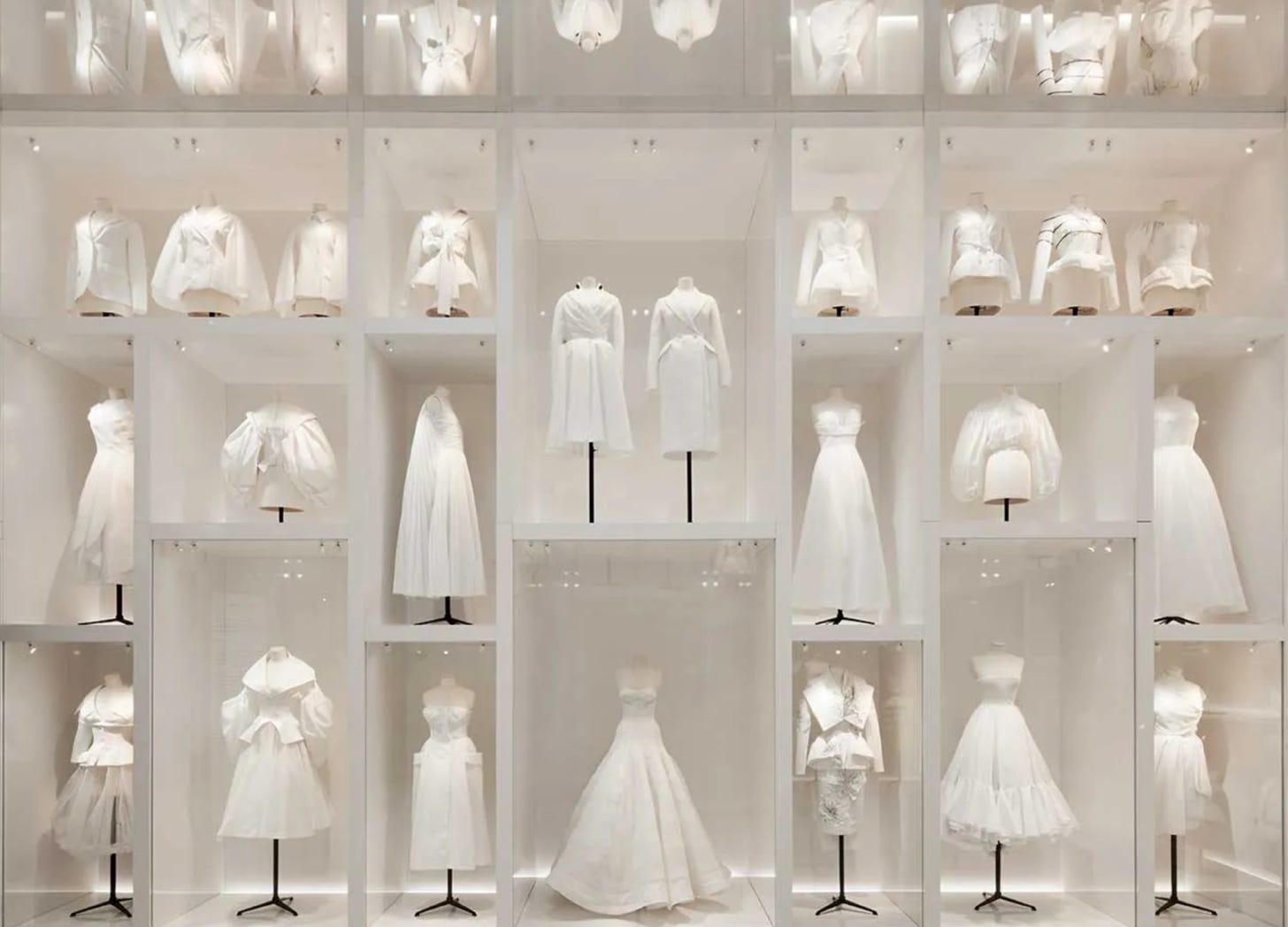
Before talking about those reasons, let’s quickly define what making a muslin, or a toile if you prefer, actually entails.
Broadly speaking, making a muslin means cutting the pattern out of inexpensive muslin fabric in a similar weight to the fashion fabric and sewing up the garment. Typically a muslin is basted together and details such as interfacing and topstitching are omitted. Hems can simply be cut off and details like pockets and buttonholes can be drawn onto the muslin for simplicity. In general, a muslin is a very basic version of the garment.
Muslins get a bad reputation for taking a lot of time, but I would argue that making one saves time and frustration in the long run. Most people think muslins are only about fit, but they actually answer a much broader set of questions about the garment you are about to sew. Fit is the most obvious reason to make a muslin, but it turns out to be only the beginning.