
Why I Quit Four Sewing Projects This Year
What went wrong, what I learned, and how to know when to walk away

It was early September, but it looked like it had snowed in the sewing room. A fine coating of fabric fluff covered every surface and a very sad lump of a partially sewn bathrobe sat on the sewing table.
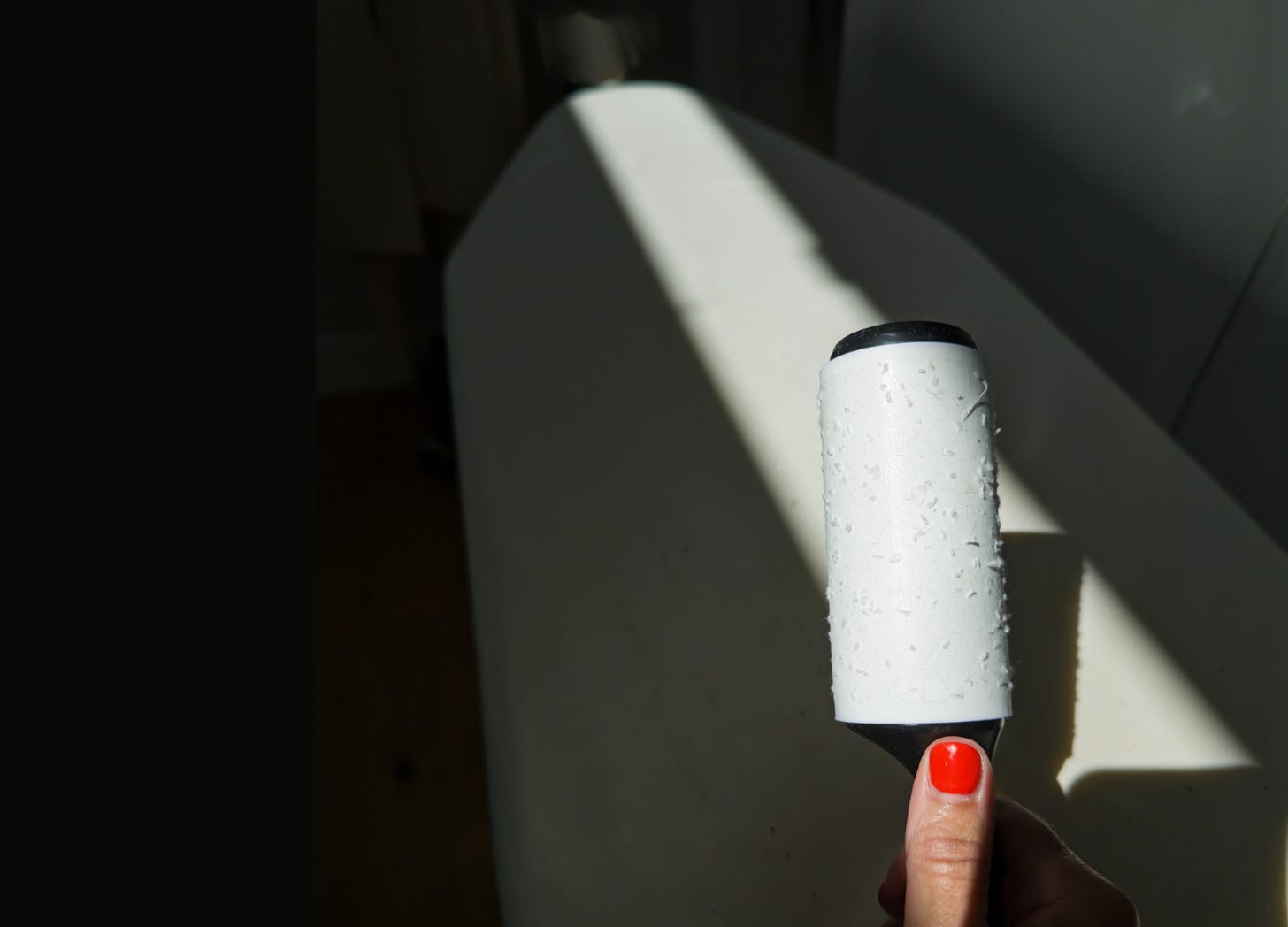
I started avoiding the sewing room because I knew what was waiting for me inside. And then it hit me — I needed to abandon this project.
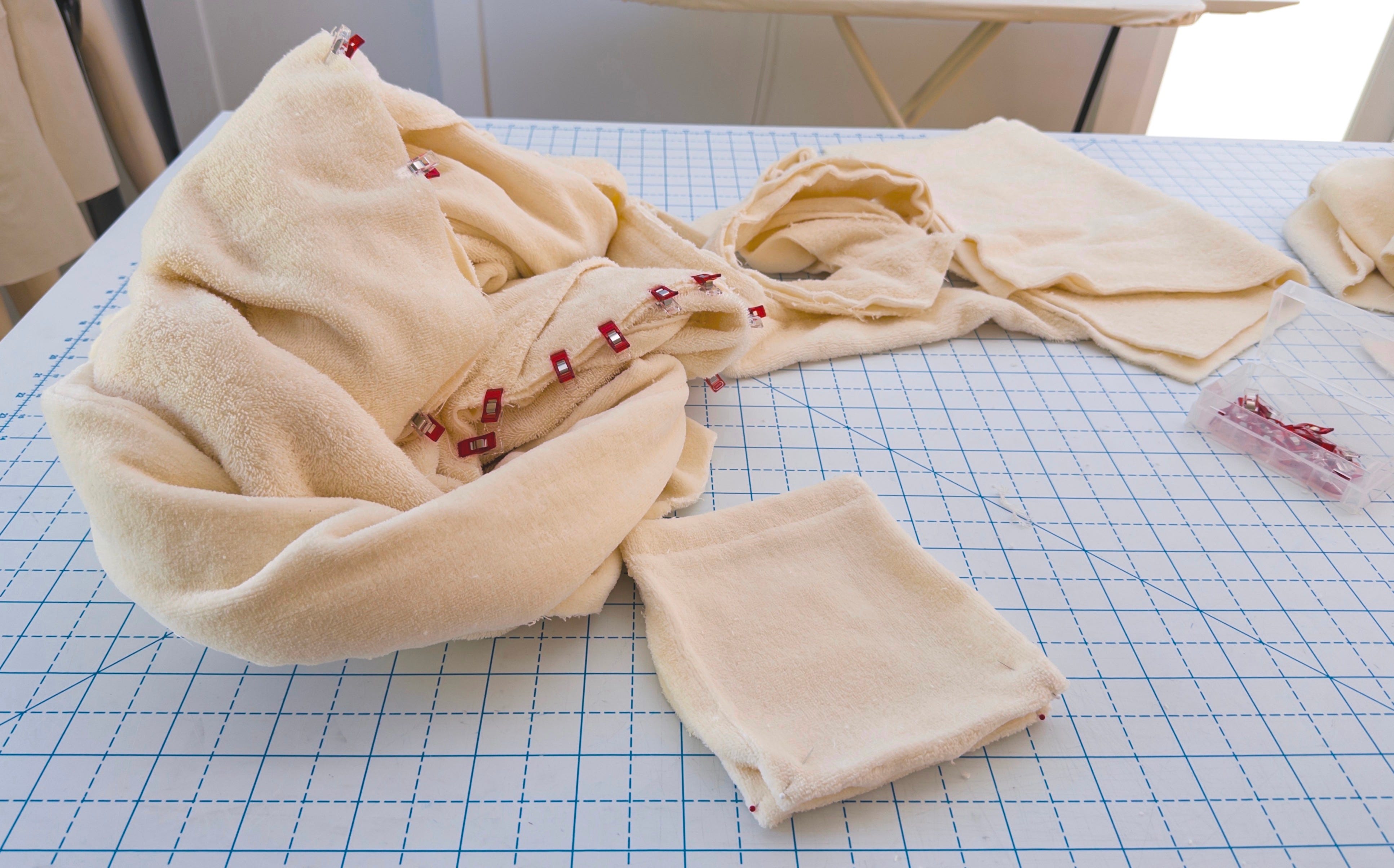
It took some doing, but I cleaned up the fluff, removed the offending project, and restored the studio to its normal orderly state. As I did so, I felt a huge wave of relief and promptly moved on to the next item in my queue.
It can happen to anyone. You carefully plan a project, and once work is underway, something goes off the rails. I’ll just come out and admit that out of the 40 plus projects I’ve sewn this year, I have abandoned more than one along the way. I know quitting is often frowned upon, yet sometimes, at least for me and my sewing practice, it’s the best course of action. I don’t know who needs to hear this right now, but it is okay to let go of a project and move on.
When I abandon a project, I always analyze what went wrong so I don’t make the same mistake twice. Looking at this year’s four abandoned projects, I realized each one had at least one of these attributes:
1. Lack of passion for the project
In the case of the robe, I needed to replace my existing one and had a very definite vision: ivory, fluffy, warm, pockets, shawl collar, belt tie. What I didn’t realize at the planning stage was that it was a bit like ordering a sandwich. It was something I needed, not something I was excited about. It also isn’t a garment that really benefits from a custom sewn version when ready-to-wear options fit me well and cost a reasonable amount.
2. The sewing is unpleasant
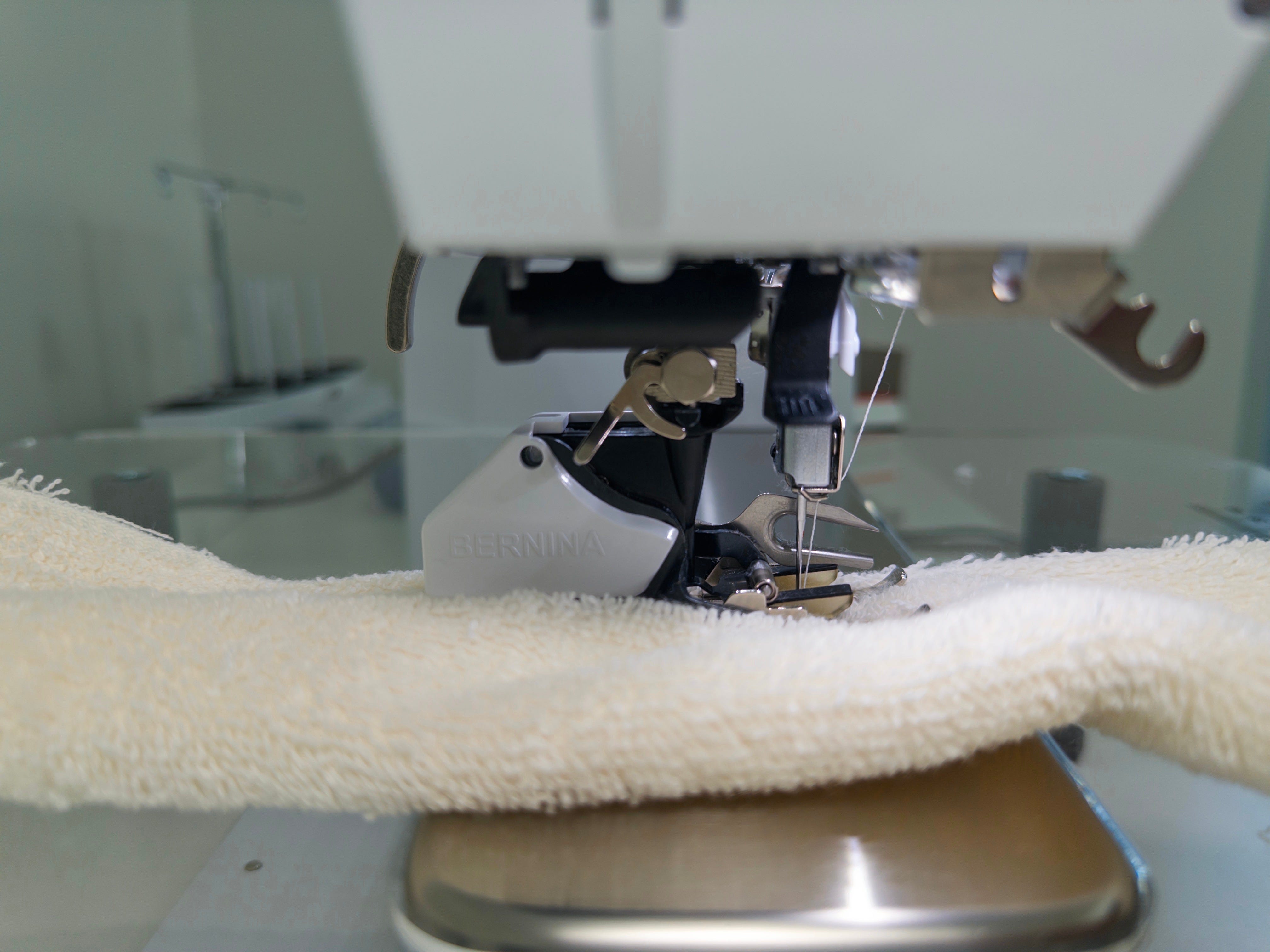
It’s rare that I don’t enjoy the sewing process, but the robe got me there. The sound of the walking foot working through all that bulk, the overlocking mess, and the difficulty of sewing accurate seam allowances with that fabric were all things I didn’t like. Not to mention the constant need to use a lint roller every time I left the room lest the fluff be tracked all over the house (spoiler: it was tracked everywhere).
Ultimately I sew for enjoyment. If I am not enjoying the process, I need to change something.
3. Cost Benefit Equation Does Not Make Sense
I can only work on one project at a time, and by choosing something I don’t love, I’m giving up the chance to work on something I do love. The opportunity cost of making the robe just became too high.
Opportunity cost starts to get into the buy versus make decision, which I have a lot to say about, but that will need to be a separate article!
4. I Know I Won’t Wear It
With the robe, the topstitching on the thick, fluffy fabric didn’t look good, and the seams looked rumpled. Even though it was meant for wearing only at home, it was not something I would be proud of.
Another example I’ve shared before is my unintentional tropical holiday shirt. It didn’t look the way I imagined it would on me, so I stopped just short of finishing it and moved on.
5. It Won’t Technically Work (For Me)
This is the saddest category because the projects that fall only into this category are the ones I was most excited about and the ones where I pushed the limits a bit and my gamble didn’t pay off.
For a pair of flowy track pants in a lyocell twill, I made a 5” sample testing sewing on a ribbon stripe. It looked great on the swatch, but once three rows were extended down the length of the pant, it ruined the drape of the entire leg.
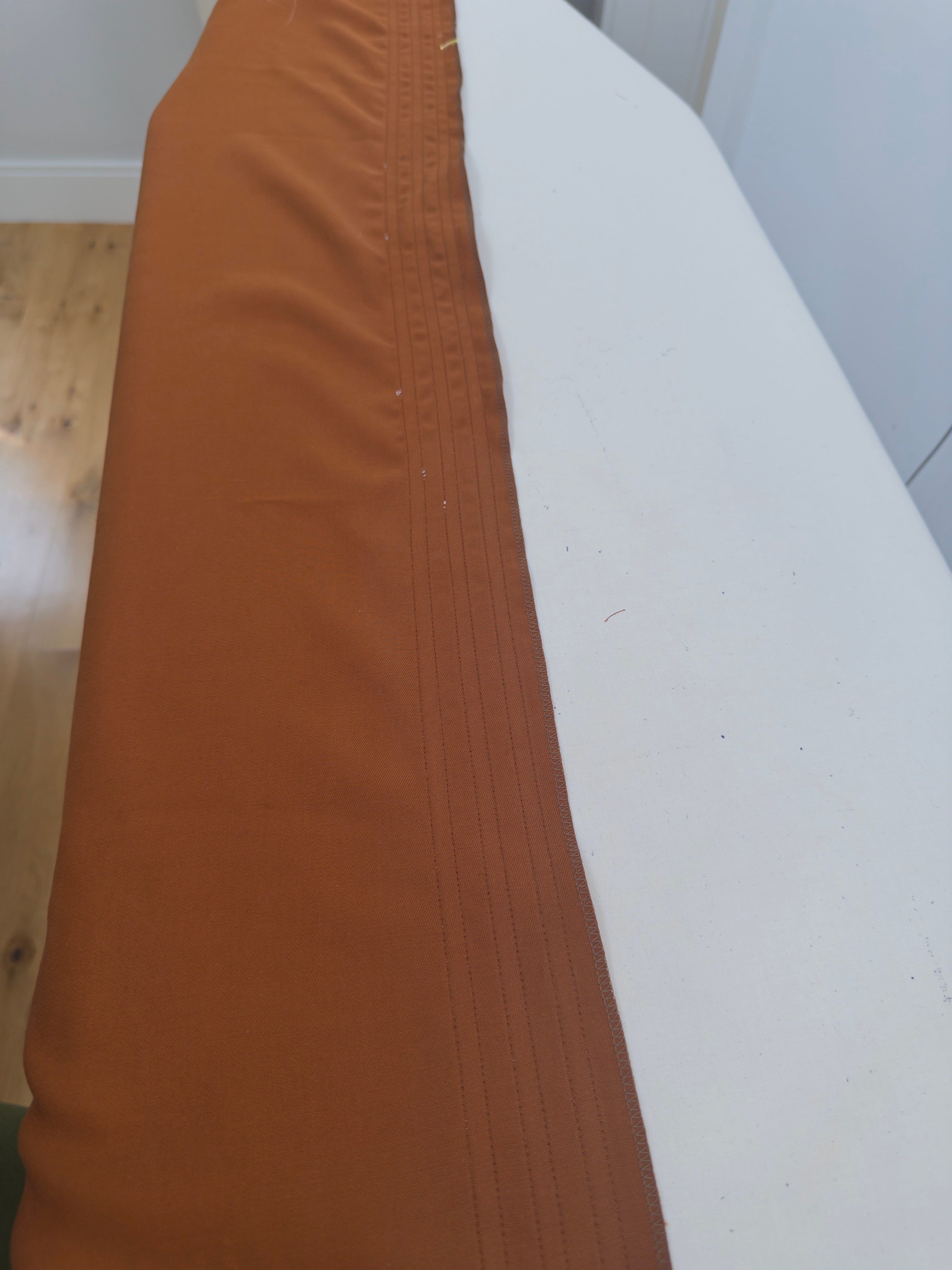
With the faux leather skirt, I made topstitching samples to test the best method (a Teflon foot, longer stitch length, and decreased presser foot pressure). It looked perfect while stitching, but only after the entire seam was topstitched did it reveal pulled fabric. This is where the stretch and the faux leather application of this material became a problem.
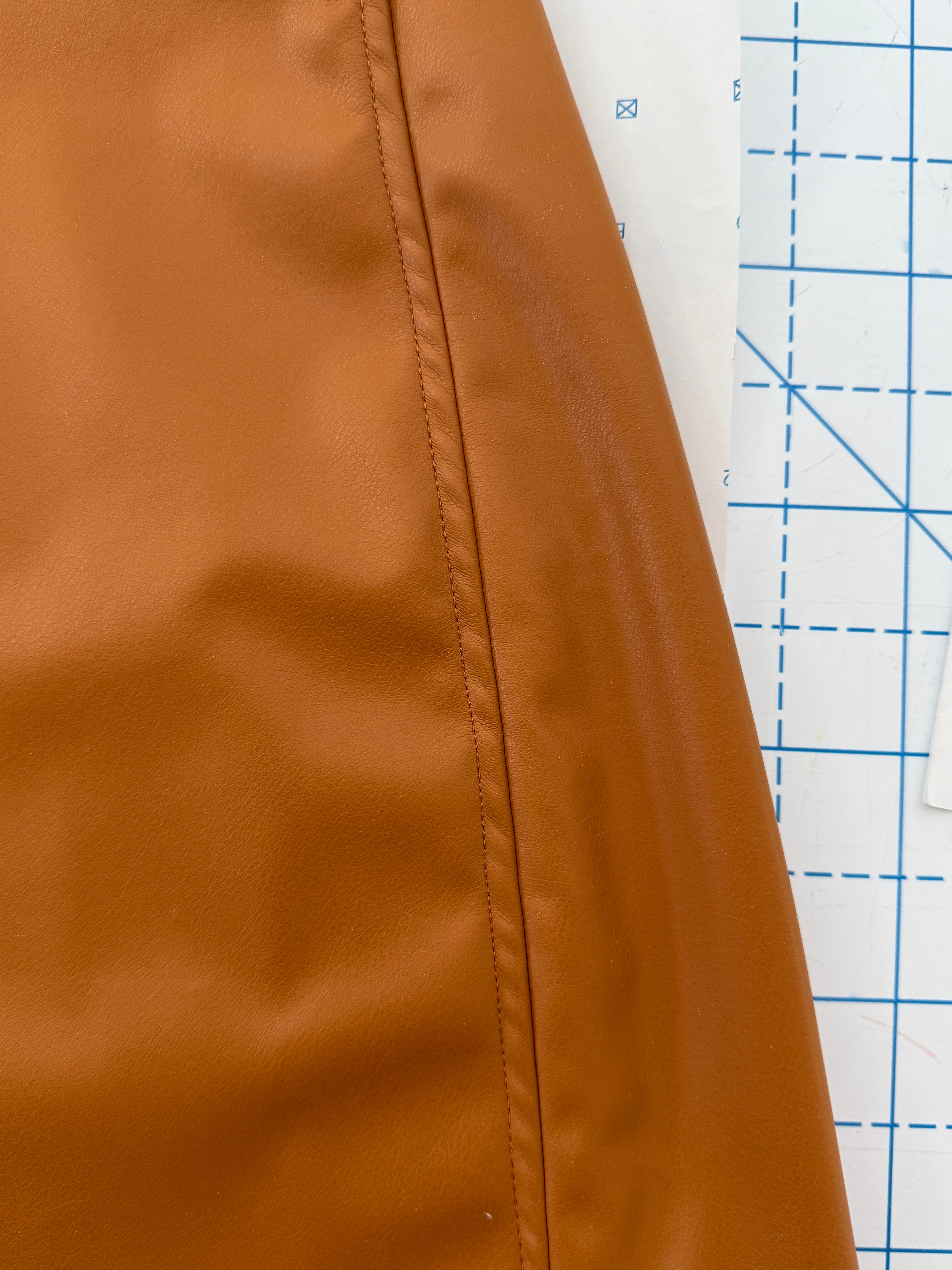
I was willing to recut and resew the area (sewing puts permanent holes in this fabric), but longer swatches showed that the only workable solution (using tracing paper underneath the entire seam) made it impossible to keep accurate spacing from the seam line. A heartbreaker, especially since I had originally selected a different, more suitable pattern for this material, one with no topstitching at all.
I’ve learned that finishing everything isn’t the goal. Sewing should add something positive to my life, whether that’s improving my skills or simply enjoying the process. If a project isn’t doing that, letting it go is often the most productive choice. Knowing when to stop clears the way for the projects I’m genuinely excited about.
What about you? Do you ever quit a project, and what led you to set it aside? Or have you ever finished a project you wish you’d quit?
Happy sewing!
Norma
Norma dear, you are singing my song today! I have been doing the same exact same thing! I have a blouse cut out, beautiful fabric, staring at me. I need to recut the front bodice, move the ponte destined for a cardigan/jacket away from the coverstitch and just get on with it. Other unfinished quilt tops were calling. I loaded the long arm and that blouse was staring at me. I gave away a finished quilt top and took a deep breath. Now I have no excuse. I will sew it this weekend or throw it. You have inspired me!!!!
Thank you thank you. I feel like a weight has been lifted and it’s OK to abandon a project if it does not bring you joy !